EdTech video ads for learners who stay and pay
Learning apps don’t need more installs. They need people who finish a first lesson, come back on day seven and subscribe. We make video ads built around your real first lesson, twenty at a time, and judge them on paying learners.
- 20
- 72 hrs
- $7,500


Brands we’ve made ads for: Bidco Africa, Oraimo, Hillson, 8 Ball Pool, and Ribena East Africa. Ads run on Meta, TikTok and YouTube.
The short answer
An edtech marketing agency finds learners for language, study, skills and tutoring products and turns them into paying ones. Lumivance does it with video: UGC-style ads built around your real product, made in batches of twenty so every angle gets tested, and run on Meta, TikTok and YouTube by your team or ours.
| What we make | UGC-style and product-led video ads, 20, 40 or 80 at a time |
|---|---|
| Channels | Meta, TikTok and YouTube |
| Judged on | Cost per paying learner, agreed before the test |
| Published results | Client ads for Bidco Africa, Ribena East Africa, Oraimo, Hillson and 8 Ball Pool are on this site. No client results are published yet. |
| Fees | Sprints from $7,500 for twenty ads, fixed. Media buying on a retainer, quoted after an account review. |
Where learning apps lose money
Most of the money goes after the install. Each stage fails in its own way, and the ad can fix more of it than people expect.
- Stage 1
First lesson
- What goes wrong
- The ad promised fluency in a month. The app opens on a placement test and people leave before lesson one.
- What we change
- Ads that show the real first lesson, so the people who install expect exactly what they get.
Cost per first lesson finished
- Stage 2
Day 7 habit
- What goes wrong
- People start keen and stop on day three, because nothing showed what a normal day with the app looks like.
- What we change
- Angles about where it fits: five minutes on the bus, after dinner, between meetings.
Learners active on day 7
- Stage 3
Subscription
- What goes wrong
- The paywall arrives as a surprise, so the free trial feels like a trick.
- What we change
- Ads that say what’s free and what it costs after. Fewer trials, more of them paid.
Cost per paying learner
- Stage 4
Renewal
- What goes wrong
- Learners sold a shortcut cancel when they find out there isn’t one.
- What we change
- Promise only what the product does, so renewals aren’t fighting the ad that brought people in.
Learners still paying at day 90
The rules learning app ads play by
| The rule | What we do about it |
|---|---|
| No promised outcomes | “Fluent in 30 days” and “guaranteed top grades” are promises you’d have to prove. We script what the product does and what your evidence supports. |
| Jobs and salaries need data | Claims about placements or pay rises appear only with your real figures behind them, quoted exactly. Otherwise we leave them out. |
| Children are reached through parents | Platforms limit how advertisers reach under-18s, and laws such as COPPA in the US cover under-13s. For younger learners we write for the parent. |
| No invented students | An AI presenter can show a lesson. It can’t say it passed an exam, because it never sat one. |
| The calendar sets the price | Back to school, exam season and New Year push auction prices up. We plan batches so tested ads are ready before those weeks, not during them. |
Do the maths
What the same budget buys if each paying learner costs less. Change the numbers to yours.
- 500
- 666
- +166
Plenty of installs and not many paying learners? Tell us what you’re running and we’ll tell you where we think the money is going.
Ask for a second opinionLumivance, in-house or a generalist agency
Three ways to keep new ads coming. This compares how each is set up, not what any of them will achieve.
| Lumivance | An in-house team | A generalist agency | |
|---|---|---|---|
| What you pay for | A fixed price per batch of finished ads | Salaries, tools and shoots | A monthly fee, often a share of ad spend |
| New ads a month | Twenty to eighty, planned as one test | As many as the team has time to make | Usually a handful per campaign |
| Judged on | Cost per paying learner | Whatever the team agrees | Often clicks, views or installs |
| Sector rules | Written into every script and signed off before production | Known well, if someone owns them | Learned on your account |
| First new ads | 72 hours after the brief | After the next shoot | Usually a few weeks |
Angles we’d test first
- The first lesson
- Thirty seconds of the product doing its job: a question asked, an answer checked, a small win. It beats any description of the curriculum.
- The stuck moment
- Open on the exact thing your learner can’t do yet: the verb that won’t stick, the fraction that makes no sense. Then show it getting unstuck.
- Five minutes a day
- Show where it fits. Most people don’t doubt the product. They doubt they’ll keep it up.
- The parent’s view
- For children’s products the buyer isn’t the user. A second set of ads speaks to the parent: what the child does, and what the parent can see.
- The deadline
- Exams, applications and new terms give people a reason to start this week. We plan angles around your calendar.
The formats we’d use
We haven’t published edtech spec ads yet. These structures are from our other spec work, and this is how each one translates.
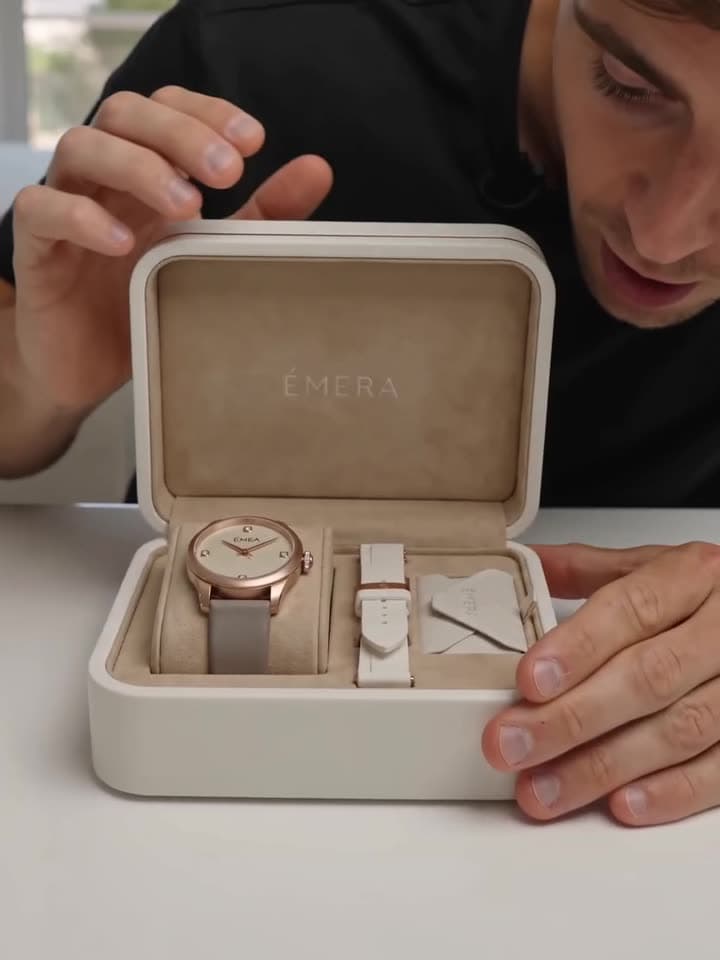
To camera becomes the tutor explaining one idea. 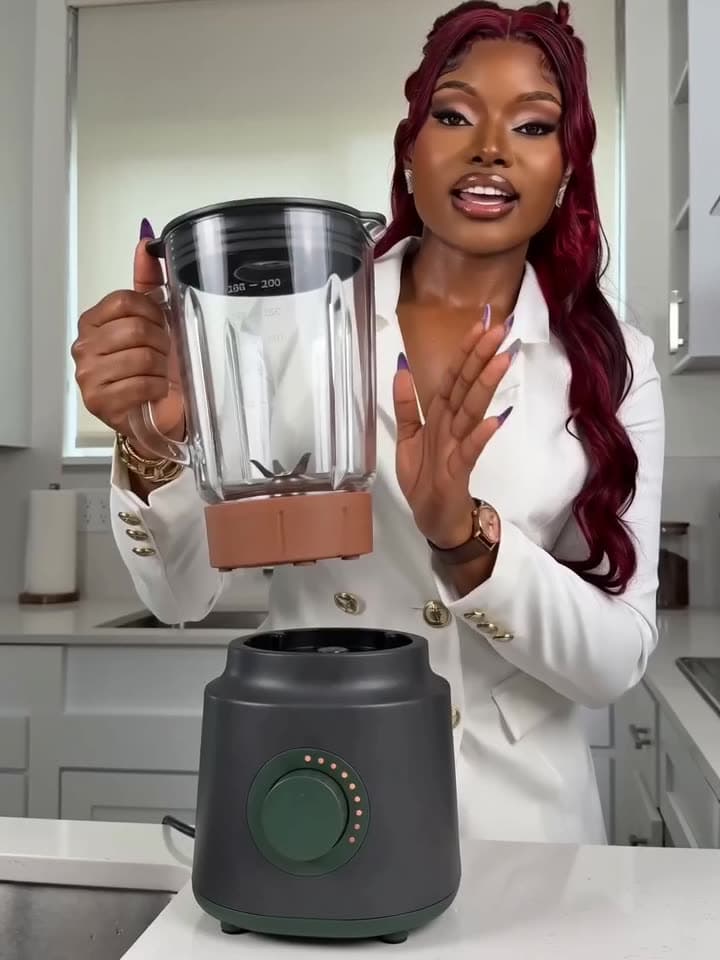
A demo becomes the first lesson, walked through. 
A reaction becomes the moment an answer comes back right. 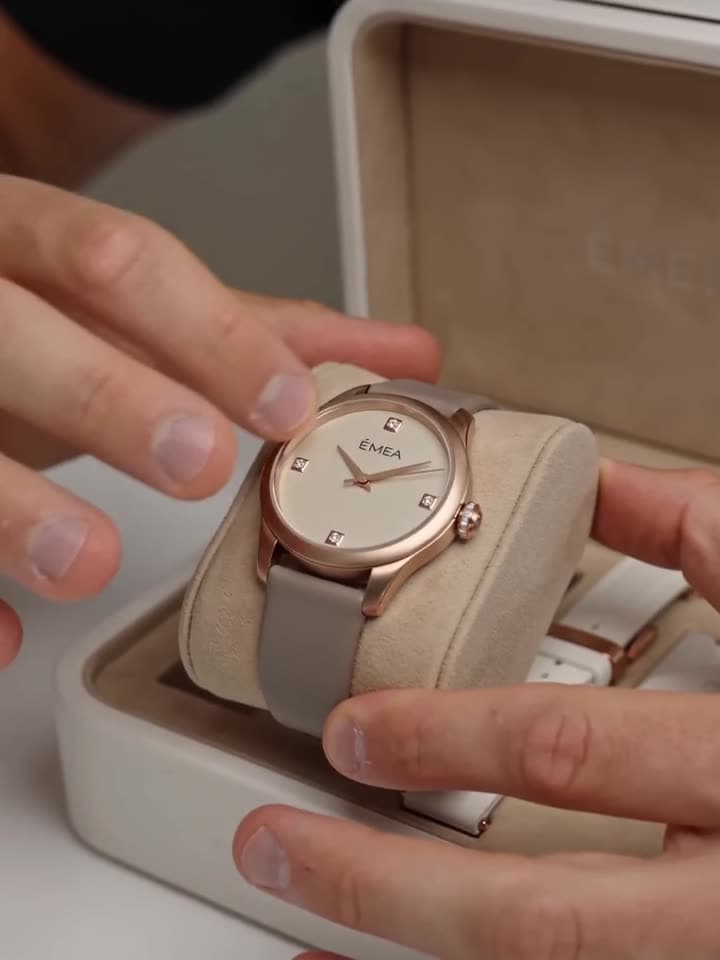
Hands only becomes a phone in hand, mid-lesson.
From first call to scale
- 1
Brief
A 30-minute call: who learns with you, who pays, the outcomes you can prove and the dates that matter this term.
Day 1 - 2
Angles and scripts
Five angles and twenty scripts. You approve every one, and so can whoever signs off your claims.
Days 1–2 - 3
Your recordings
Screen recordings of real lessons. We send a shot list so it takes minutes, not a day.
Day 2 - 4
First ads, then the full set
First ads within 72 hours of the brief, the rest on the next cycle, with a test plan.
Days 3–6 - 5
Read, cut, scale
Results read on the number we agreed, losers cut, winners given budget, and the next batch briefed from what won.
Ongoing
Is your learning app ready to scale paid?
Tick what’s true. It takes thirty seconds and nothing is sent anywhere.
0 of 5Early. Tracking and the bidding event come before more ads. On a retainer, that’s where we’d start.
What it costs
The same three sizes for every sector. A sprint is a fixed price for a fixed number of finished ads.
Sprint 20
$7,500
- 20 finished ads
- Up to 15 seconds each
- First ads in 72 hours
Sprint 40
$12,000
- 40 finished ads
- Up to 30 seconds each
- First ads in 72 hours
Sprint 80
$21,750
- 80 finished ads
- Up to 60 seconds each
- First ads in 72 hours
Questions about edtech marketing
How much does a edtech marketing agency cost?
With us, ads are a fixed price per sprint: $7,500 for twenty ads, $12,000 for forty or $21,750 for eighty. If you want us to run the campaigns as well, that’s a monthly retainer, quoted after we’ve looked at your ad account. Ad spend always goes to the platforms directly.
How do you optimise for learners instead of installs?
By judging every ad on paying learners from the first day of the test, and naming each file by angle and hook so results trace back to the idea. If your account bids on installs, we’ll say so before we start.
Can you show our app in the ads?
Yes, using screen recordings you send. The product on screen is always your real one. We don’t generate interface or lessons.
Can you use our real students’ results?
Yes, if they’re real and you have permission. We show them as on-screen figures or quotes credited to the student, not spoken by a generated presenter posing as them.
Do you make ads for children’s learning apps?
Yes, written for parents. We don’t make ads designed to be targeted at children.
How do you handle back-to-school and New Year?
We plan backwards from them. The ads for a busy season are made and tested weeks before it, so you go into the expensive auctions with winners rather than guesses.
How long until we see results?
The first ads arrive 72 hours after the brief. A fair read on which angles win usually takes one to two weeks of spend. Reading them on paying learners takes longer, because that step happens later.
Do you run the campaigns too?
On a sprint you run them with our test plan. On the retainer we run Meta, TikTok and YouTube campaigns in your accounts.
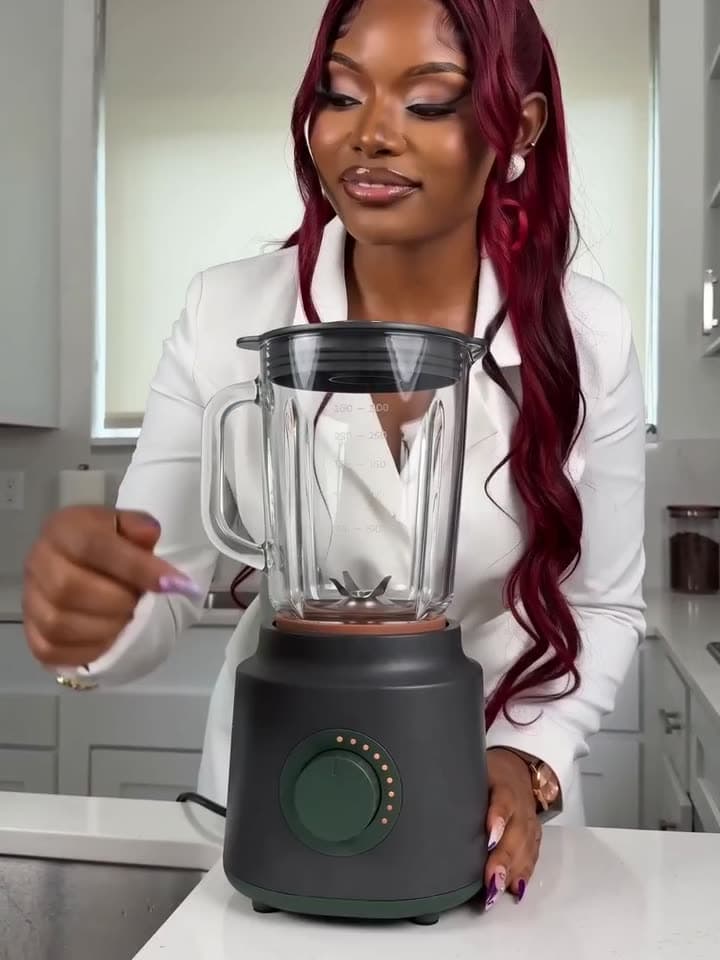

Want to see what we’d test first?
Tell us what you sell and what you’re running now. We’ll come back with the angles we’d test first and what it costs.