Health and fitness ads for people who start, and keep going
Whether it’s an app, a bike or a blender, the question in the viewer’s head is the same: “will I actually use it?” The ads that answer it show the first session, not a six-month result. We make them twenty at a time and judge them on paying members and buyers.
- 20
- 72 hrs
- $7,500

Brands we’ve made ads for: Bidco Africa, Oraimo, Hillson, 8 Ball Pool, and Ribena East Africa. Ads run on Meta, TikTok and YouTube.
The short answer
A health and fitness marketing agency finds customers for fitness, nutrition, sleep and wellbeing apps and products, and turns trials into paying members. Lumivance does it with video ads that show the first session rather than a promised result, written to the platforms’ health rules and judged on paying members or purchases.
| What we make | UGC-style and product-led video ads, 20, 40 or 80 at a time |
|---|---|
| Channels | Meta, TikTok and YouTube |
| Judged on | Cost per paying member or purchase |
| Published results | Client ads for Bidco Africa, Ribena East Africa, Oraimo, Hillson and 8 Ball Pool are on this site. No client results are published yet. |
| Fees | Sprints from $7,500 for twenty ads, fixed. Media buying on a retainer, quoted after an account review. |
Where health and fitness brands lose money
Most people who start a fitness app or buy the kit mean it. The money is lost when the ad set them up for the wrong first week.
- Stage 1
Onboarding
- What goes wrong
- A long quiz before anything happens, and people leave before the first workout.
- What we change
- Ads that show what the first session asks of you, so the people who install are ready for it.
Cost per first session
- Stage 2
Trial start
- What goes wrong
- Trials arrive on a promise of a new body and leave when week one feels like work.
- What we change
- Ads about the first week, not the twelfth: how long, how hard, and where.
Cost per trial
- Stage 3
Paid member
- What goes wrong
- January trials flood in at the year’s highest prices, and few convert.
- What we change
- Fresh ads made and tested before New Year, and January cohorts judged on their own.
Cost per paying member
- Stage 4
Renewal
- What goes wrong
- People sold a result cancel when it takes longer than the ad implied.
- What we change
- Promise the habit, not the outcome, so the ad that brought them in isn’t the reason they leave.
Members still paying at day 90
The rules health ads play by
| The rule | What we do about it |
|---|---|
| No before-and-after | Side-by-side body transformations are restricted on the major platforms and easy to fake with AI, which is exactly why we don’t make them. |
| Nothing about the viewer’s body | “Tired of your belly?” gets ads rejected on Meta and makes people feel worse. We talk about the product. |
| Weight loss is restricted | Platforms limit weight-loss ads to adults and reject dramatic claims. We check an angle before we script it. |
| Health claims need proof | An app isn’t a medical device unless it has been cleared as one. Scripts describe what it does, not what it treats. |
| Presenters don’t claim results | A generated presenter can do the workout. It can’t say it lost ten kilos. |
Do the maths
What the same budget buys if each paying member costs less. Change the numbers to yours.
- 400
- 533
- +133
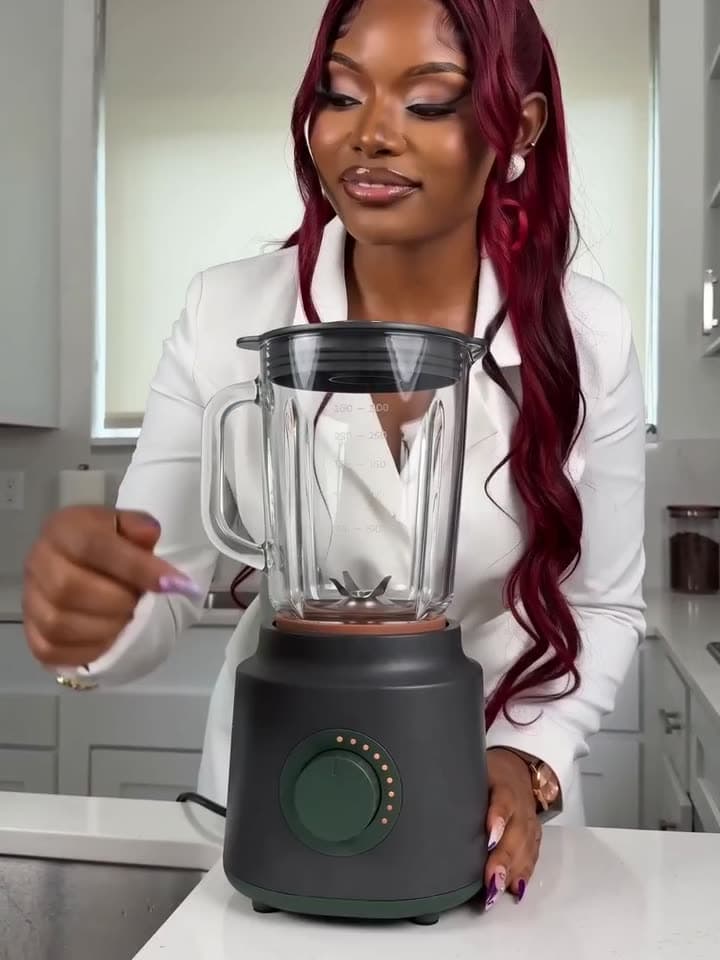
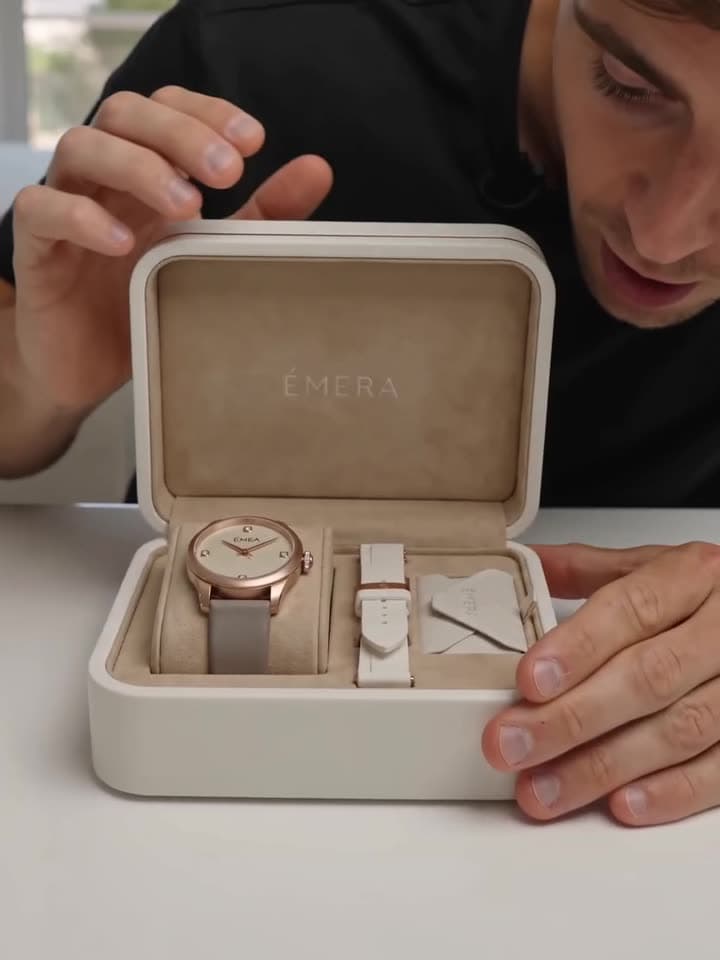
Two examples from our spec work
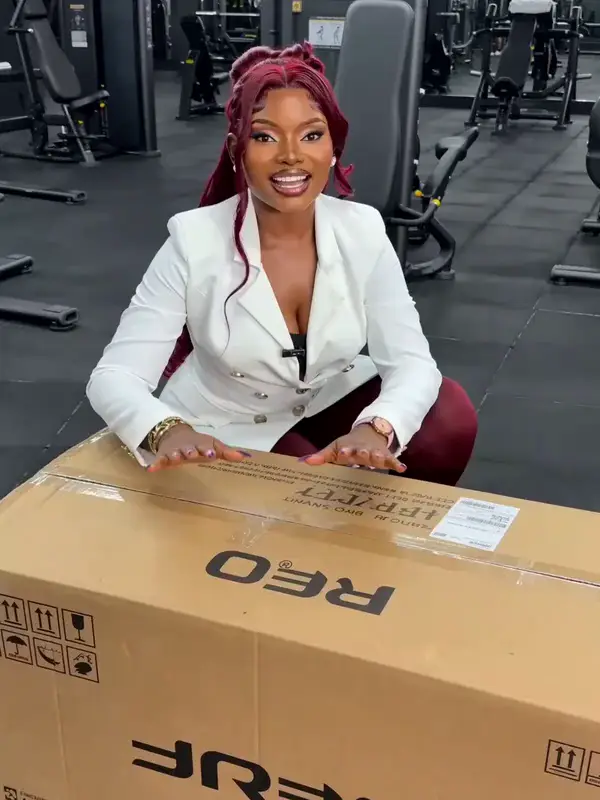 Spec · 0:15
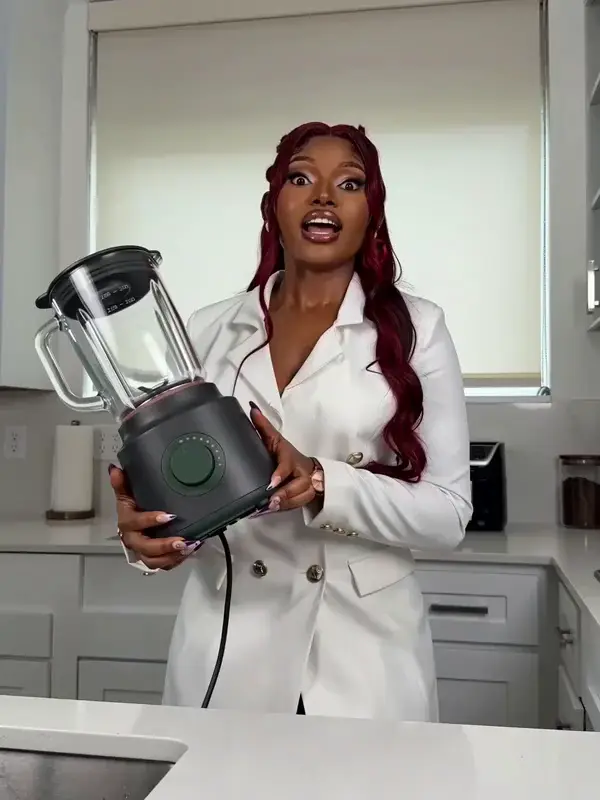 Spec · 0:15
Trials going up and paying members staying flat? Tell us what’s running and we’ll tell you where we’d look first.
Ask for a second opinionLumivance, in-house or a generalist agency
Three ways to keep new ads coming. This compares how each is set up, not what any of them will achieve.
| Lumivance | An in-house team | A generalist agency | |
|---|---|---|---|
| What you pay for | A fixed price per batch of finished ads | Salaries, tools and shoots | A monthly fee, often a share of ad spend |
| New ads a month | Twenty to eighty, planned as one test | As many as the team has time to make | Usually a handful per campaign |
| Judged on | Cost per paying member or purchase | Whatever the team agrees | Often clicks, views or installs |
| Sector rules | Written into every script and signed off before production | Known well, if someone owns them | Learned on your account |
| First new ads | 72 hours after the brief | After the next shoot | Usually a few weeks |
Angles we’d test first
- The first session
- The first workout, the first meal logged, the first ride. The moment of use, not the result months later.
- Getting started is easy
- Box to first use in seconds, or sign-up to first workout. Starting is the objection nobody says out loud.
- It fits your day
- Before work, after a run, last thing at night. Show the slot it takes, in a real room.
- The streak
- For apps, the habit is the product. Day one, day three, day ten, shown on the real screen.
- What it replaces
- The gym you don’t go to, the plan you gave up on. Said kindly, and never as a dig at the viewer.
From first call to scale
- 1
Brief
A 30-minute call: the product or app, who buys it, the claims you can make and what you’ve already tried.
Day 1 - 2
Angles and scripts
Five angles and twenty scripts for you to approve or cut.
Days 1–2 - 3
Your photos or recordings
Product photos from every side, or screen recordings of the app.
Day 2 - 4
First ads, then the full set
First ads within 72 hours of the brief, the rest on the next cycle, with a test plan.
Days 3–6 - 5
Read, cut, scale
Results read on the number we agreed, losers cut, winners given budget, and the next batch briefed from what won.
Ongoing
Is your health or fitness brand ready to scale paid?
Tick what’s true. It takes thirty seconds and nothing is sent anywhere.
0 of 5Early. Tracking and the bidding event come before more ads. On a retainer, that’s where we’d start.
What it costs
The same three sizes for every sector. A sprint is a fixed price for a fixed number of finished ads.
Sprint 20
$7,500
- 20 finished ads
- Up to 15 seconds each
- First ads in 72 hours
Sprint 40
$12,000
- 40 finished ads
- Up to 30 seconds each
- First ads in 72 hours
Sprint 80
$21,750
- 80 finished ads
- Up to 60 seconds each
- First ads in 72 hours
Questions about health and fitness marketing
How much does a health and fitness marketing agency cost?
With us, ads are a fixed price per sprint: $7,500 for twenty ads, $12,000 for forty or $21,750 for eighty. If you want us to run the campaigns as well, that’s a monthly retainer, quoted after we’ve looked at your ad account. Ad spend always goes to the platforms directly.
How do you plan for January?
We make and test the January ads in December, so you go into the most expensive weeks of the year with known winners, and we judge January cohorts on their own.
How do you improve trial-to-paid with ads?
By showing the first week honestly. People who know what the first workout asks of them are the ones who still have the app when the trial ends.
Can you show body transformations?
No. Before-and-after body images are restricted on the major platforms and easy to fake with AI, which is exactly why we don’t make them.
Do you make ads for fitness apps as well as products?
Yes. For apps we cut in screen recordings you send. For products we work from photos.
Do AI-made ads work for health brands?
They can show the product in use quickly and in volume, which is what testing needs. A generated presenter is never a customer, so they never claim results.
Can you show real customer results?
Only if they’re real, typical and you have permission, shown as credited quotes or figures.
How long until we see results?
The first ads arrive 72 hours after the brief. A fair read on which angles win usually takes one to two weeks of spend. Reading them on paying members takes longer, because that step happens later.
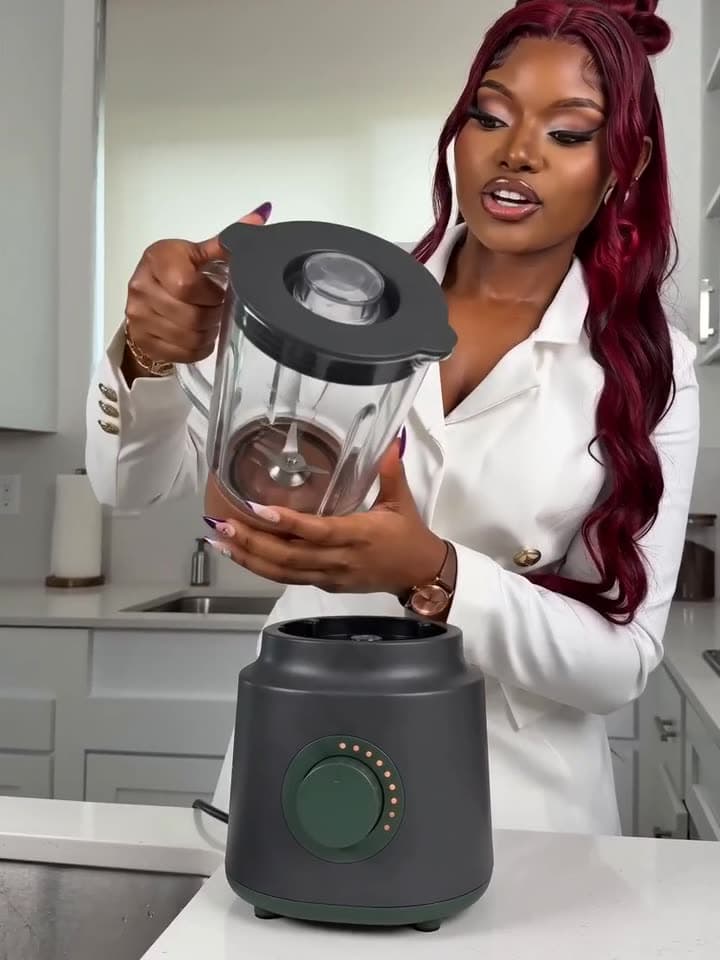
Want to see what we’d test first?
Tell us what you sell and what you’re running now. We’ll come back with the angles we’d test first and what it costs.