Video ads for direct-to-consumer brands, judged on new customers
A direct-to-consumer brand lives on paid social, and paid social lives on new ads. When your best ad tires, the cost of a new customer climbs until something replaces it. We make the replacements twenty at a time, from photos of your real product, with the first ones 72 hours after your brief.
- 20
- 72 hrs
- $7,500

Brands we’ve made ads for: Bidco Africa, Oraimo, Hillson, 8 Ball Pool, and Ribena East Africa. Ads run on Meta, TikTok and YouTube.
The short answer
A DTC marketing agency finds new customers for brands that make their own product and sell it direct, mostly through paid social. Lumivance makes the ads that do the finding: UGC-style and product-led video, twenty at a time, from photos of your real product, judged on what a new customer costs against the value of their first order.
| What we make | UGC-style and product-led video ads, 20, 40 or 80 at a time |
|---|---|
| Channels | Meta, TikTok and YouTube |
| Judged on | Cost per new customer, against first-order value |
| Published results | Client ads for Bidco Africa, Ribena East Africa, Oraimo, Hillson and 8 Ball Pool are on this site. No client results are published yet. |
| Fees | Sprints from $7,500 for twenty ads, fixed. Media buying on a retainer, quoted after an account review. |
Where DTC brands lose money
For a brand that sells direct, every stage from the scroll to the second box is paid for. These are the four where it leaks.
- Stage 1
First look
- What goes wrong
- Your best ad has run for months. The same people have seen it ten times, and it costs more each week.
- What we change
- A steady supply of new openers, so a tired ad always has something ready to replace it.
Hook rate on new openers
- Stage 2
Product page
- What goes wrong
- The ad sells a lifestyle and the page sells a product, and the gap loses the click.
- What we change
- Ads that show what actually arrives, so the page confirms the ad.
Cost per add-to-cart
- Stage 3
First order
- What goes wrong
- Discounts win the first order and teach people to wait for the next one.
- What we change
- Angles that give a reason to buy at full price, with offers tested separately.
Cost per new customer
- Stage 4
Reorder
- What goes wrong
- Nobody shows the second box, so people treat it as a one-off.
- What we change
- Ads about the routine and the refill, for products people use up.
Reorders in 60 days
The rules we work to
| The rule | What we do about it |
|---|---|
| Reviews are real or absent | Star ratings, review counts and customer quotes appear only if they’re yours and current. A generated presenter never plays a customer. |
| The founder is real or absent | If you want your founder in an ad, send footage and we’ll cut it in. We don’t generate a stand-in and call them the founder. |
| Press and badges are checked | “As seen in” and award logos appear only if they’re true, and we’ll ask for the source. |
| Offers that exist | Discounts, bundles and deadlines in an ad match what’s on your site on the day it runs. |
| Some categories have their own rules | Skincare and supplements have rules of their own. We’ve written those up on separate pages. |
Do the maths
What the same budget buys if each new customer costs less. Change the numbers to yours.
- 444
- 592
- +148
Ads we’ve made for clients
Three ads for food and drink brands in East Africa. The rest of the ads on this page are spec work, and they say so.
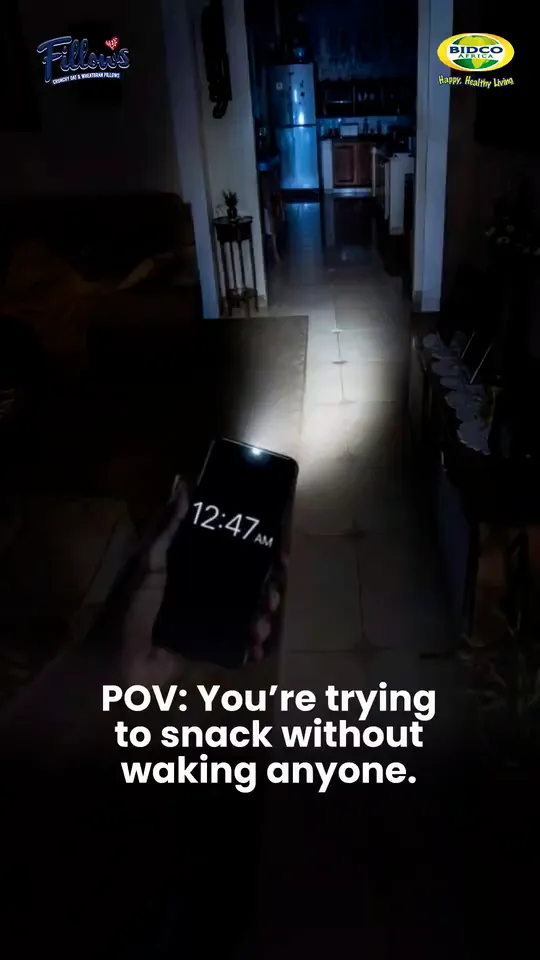
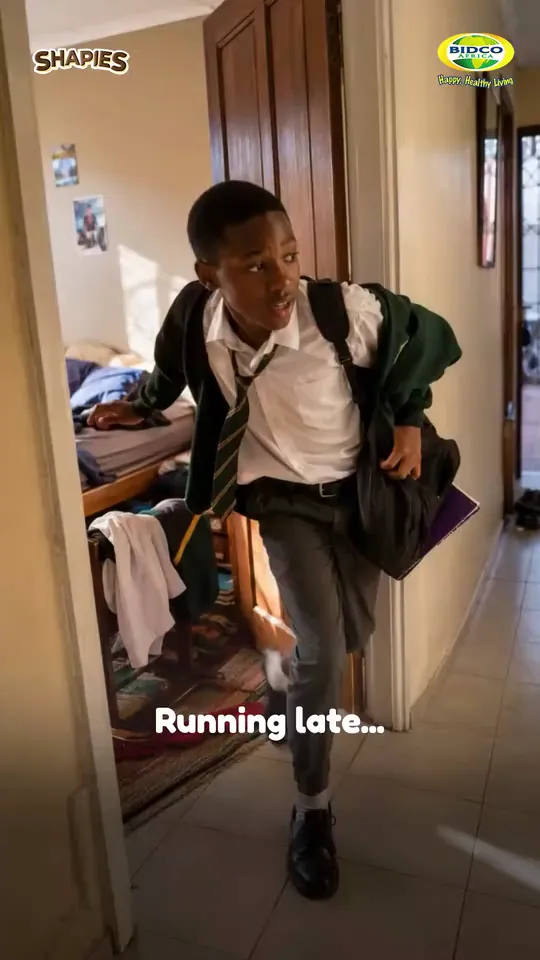

Your best ad is tiring and nothing new has beaten it? Tell us what’s running and we’ll show you the angles we’d test next.
Ask for a second opinionLumivance, in-house or a generalist agency
Three ways to keep new ads coming. This compares how each is set up, not what any of them will achieve.
| Lumivance | An in-house team | A generalist agency | |
|---|---|---|---|
| What you pay for | A fixed price per batch of finished ads | Salaries, tools and shoots | A monthly fee, often a share of ad spend |
| New ads a month | Twenty to eighty, planned as one test | As many as the team has time to make | Usually a handful per campaign |
| Judged on | Cost per new customer, against first-order value | Whatever the team agrees | Often clicks, views or installs |
| Sector rules | Written into every script and signed off before production | Known well, if someone owns them | Learned on your account |
| First new ads | 72 hours after the brief | After the next shoot | Usually a few weeks |
Angles we’d test first
- Why it exists
- The problem the product was made to fix, in one sentence. DTC brands win on a point of view, so say it early.
- Against the usual choice
- Yours beside the supermarket version or the big-name one. Specific, fair, and only on the points where yours really wins.
- The first week
- Unboxing, first use, where it lives in the house. It answers “what’s it like to own?” better than a feature list.
- The starter kit
- Bundles and first-order offers shown as what actually arrives, laid out on a table.
- The refill
- For products people reorder, show the second box as well as the first. It’s why the first order is worth winning.
One product, three ways to open
Spec ads for a watch: the same product, the same length, three different first seconds. This is what a test is made of.
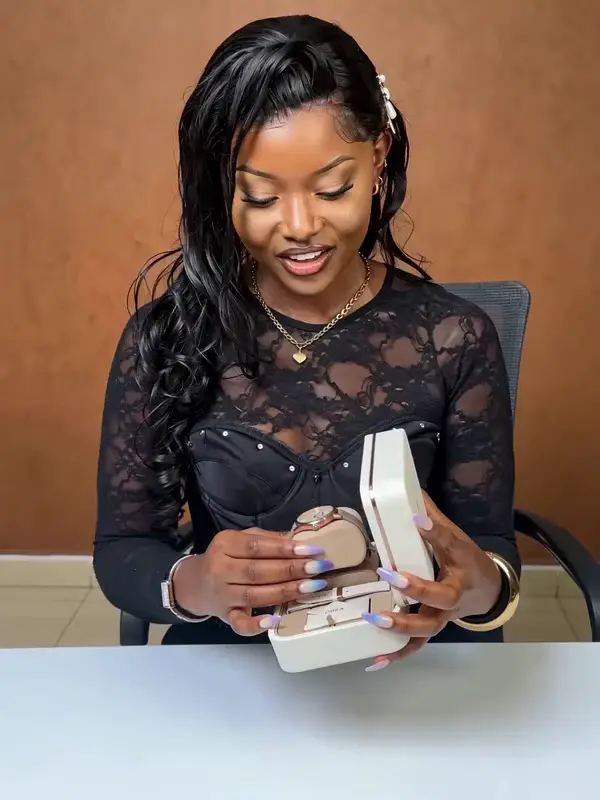 Spec · 0:15
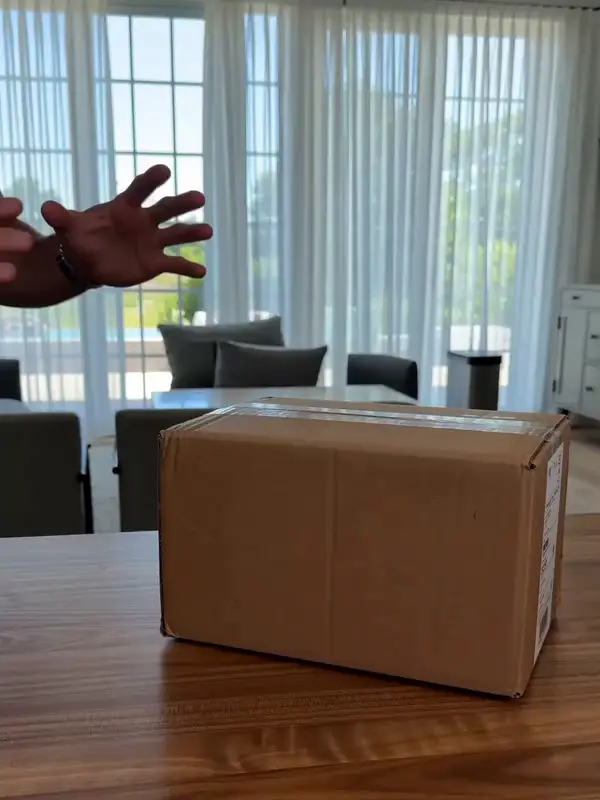 Spec · 0:15
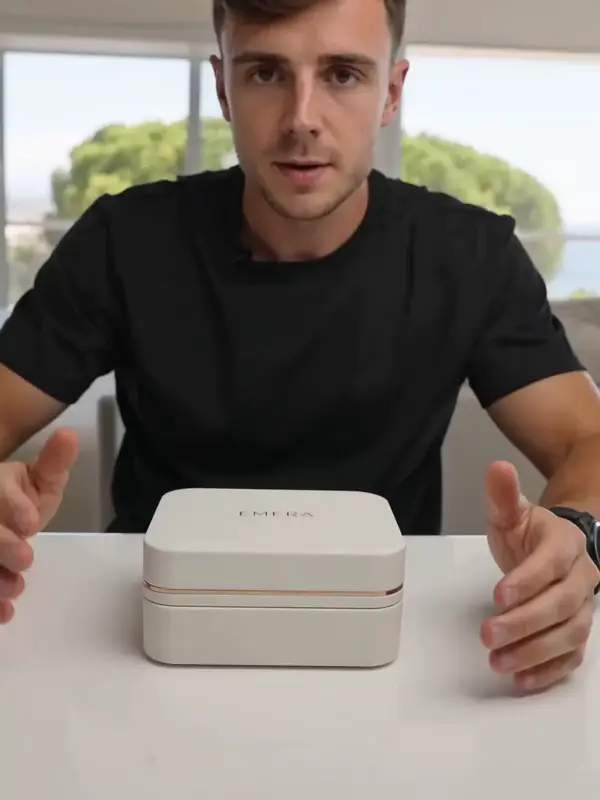 Spec · 0:15
Categories with rules of their own
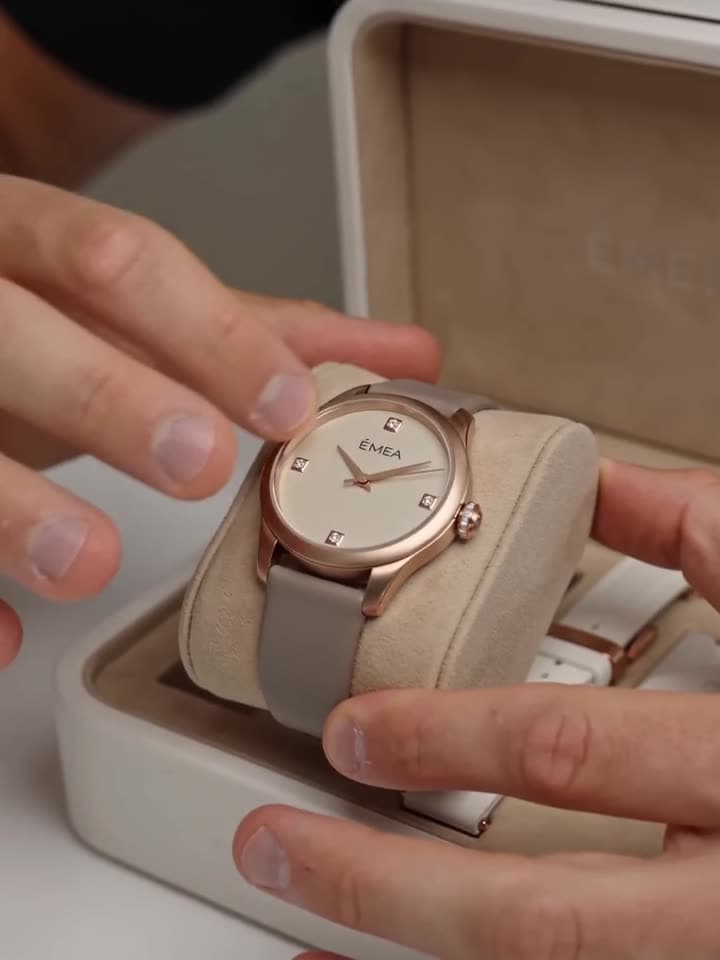
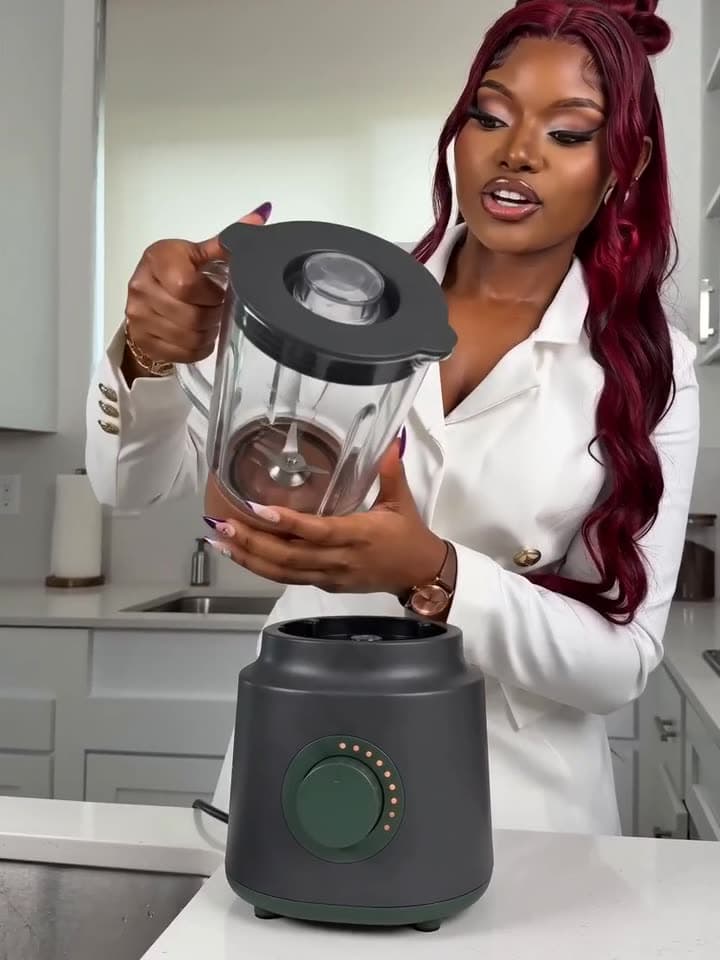
From first call to scale
- 1
Brief
A 30-minute call: the product, who buys it, your margins and target cost per customer, and what you’ve already tested.
Day 1 - 2
Angles and scripts
Five angles and twenty scripts, drawn from your reviews, your best sellers and the ads competitors keep running.
Days 1–2 - 3
Your photos
Product and packaging from every side, plus your logo, fonts and colours.
Day 2 - 4
First ads, then the full set
First ads within 72 hours of the brief, the rest on the next cycle, exported for every placement with a test plan.
Days 3–6 - 5
Read, cut, scale
Results read on the number we agreed, losers cut, winners given budget, and the next batch briefed from what won.
Ongoing
Is your brand ready to scale paid?
Tick what’s true. It takes thirty seconds and nothing is sent anywhere.
0 of 5Early. Tracking and the bidding event come before more ads. On a retainer, that’s where we’d start.
What it costs
The same three sizes for every sector. A sprint is a fixed price for a fixed number of finished ads.
Sprint 20
$7,500
- 20 finished ads
- Up to 15 seconds each
- First ads in 72 hours
Sprint 40
$12,000
- 40 finished ads
- Up to 30 seconds each
- First ads in 72 hours
Sprint 80
$21,750
- 80 finished ads
- Up to 60 seconds each
- First ads in 72 hours
Questions about DTC marketing
How much does a DTC marketing agency cost?
With us, ads are a fixed price per sprint: $7,500 for twenty ads, $12,000 for forty or $21,750 for eighty. If you want us to run the campaigns as well, that’s a monthly retainer, quoted after we’ve looked at your ad account. Ad spend always goes to the platforms directly.
How is this different from hiring UGC creators?
Creators give you a real person and the trust of their own audience, which we can’t. We give you speed and volume: twenty variations in days, no product to ship, no usage fees, and every line scripted to your claims. Some brands will want both.
Do we need to send you the product?
No. Clear photos from every side are enough. If you have video of it in use, we can cut that in.
Can our founder be in the ads?
Yes, with real footage you send. We don’t generate a stand-in.
Can you use our customer reviews?
Yes, if they’re real and you have permission. They appear as on-screen quotes credited to the customer, not spoken by a generated presenter posing as them.
What would you judge the ads on?
The cost of a new customer, in your own ad account, where you can see it. We agree the target before the test.
How long until we see results?
The first ads arrive 72 hours after the brief. A fair read on which angles win usually takes one to two weeks of spend. Reading them on reorders takes longer, because that step happens later.
Do you run the campaigns too?
On a sprint you run them with our test plan. On the retainer we run Meta, TikTok and YouTube campaigns in your accounts.



Want to see what we’d test first?
Tell us what you sell and what you’re running now. We’ll come back with the angles we’d test first and what it costs.