Ads for skincare and beauty brands
Beauty buyers want to see the product on skin: the texture, the routine, the finish. Ad platforms want you to avoid before-and-after promises and anything that sounds like a diagnosis. We make ads that do the first and stay clear of the second.
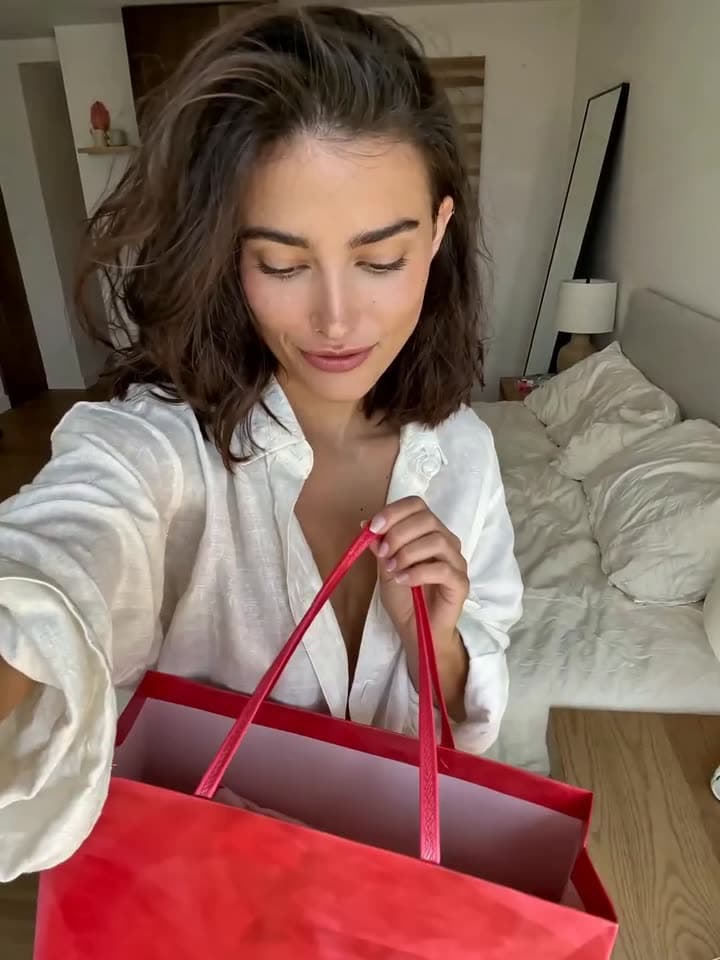
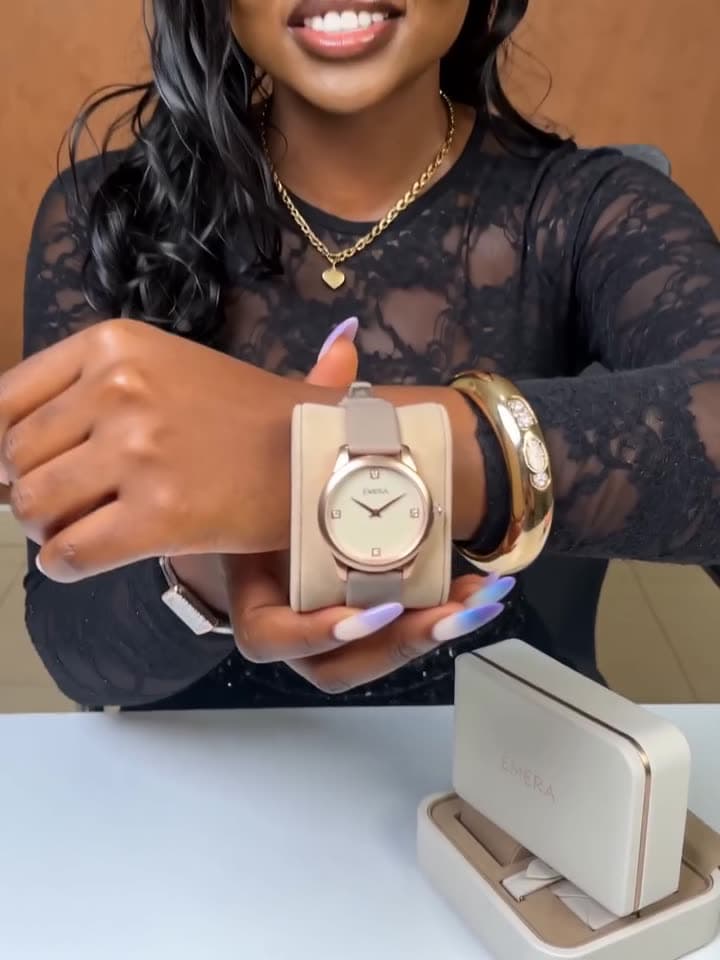
Angles that tend to work
- The texture shot
- A close-up of the product on skin: how it spreads, how it sinks in, the finish it leaves.
- The routine
- Where it fits in a real morning or evening, next to products the viewer already owns.
- The ingredient
- What’s in it and why, in a sentence, the way people actually talk about niacinamide or retinol.
- The skin type
- Who it’s for, said plainly: oily, dry, sensitive. Specific beats universal.
- The unboxing
- Packaging, first impressions, the moment it’s opened. A format beauty buyers already watch for fun.
What gets skincare ads rejected
- Personal attributes
- “Tired of your breakouts?” implies the platform knows your skin, and Meta doesn’t allow it. We write “for breakout-prone skin” instead.
- Before-and-after
- Side-by-side transformations and promises of dramatic results are restricted on the major platforms. We show the product working, not an outcome.
- Medical claims
- Treat, cure, heal: those are drug words. Unless your product is regulated as a drug, scripts stay in cosmetic language.
- Invented results
- An AI presenter can’t say a product cleared her skin. She never had skin. We script demonstrations, not experiences.
What these would look like
We haven’t published skincare spec ads yet. These are the same structures from our other spec work, and how each one translates.
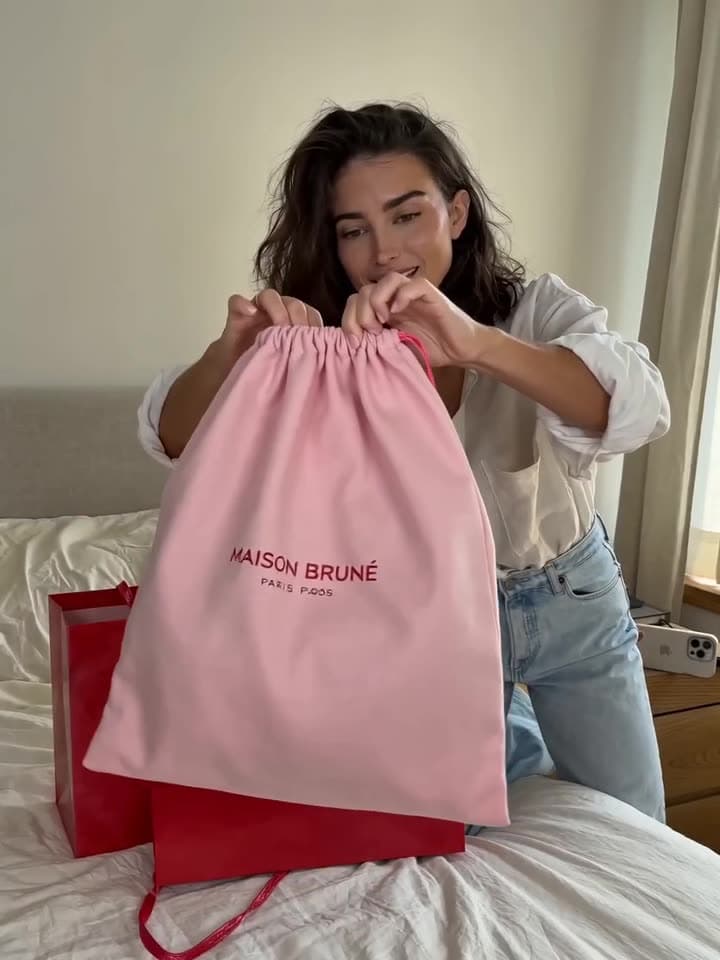
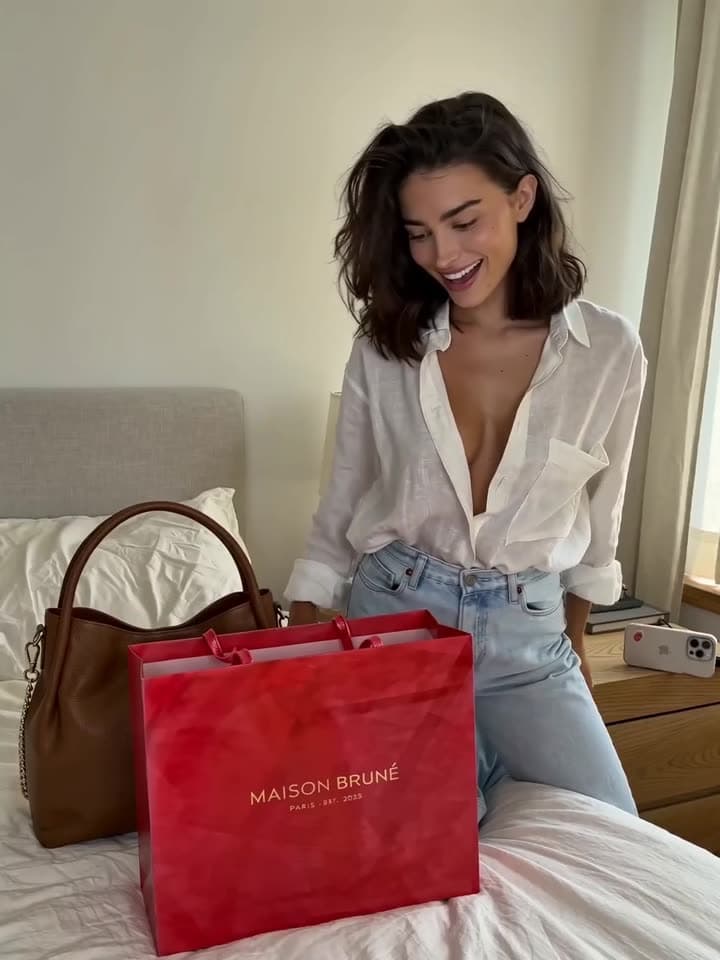
Unboxing becomes the first look at a new serum. 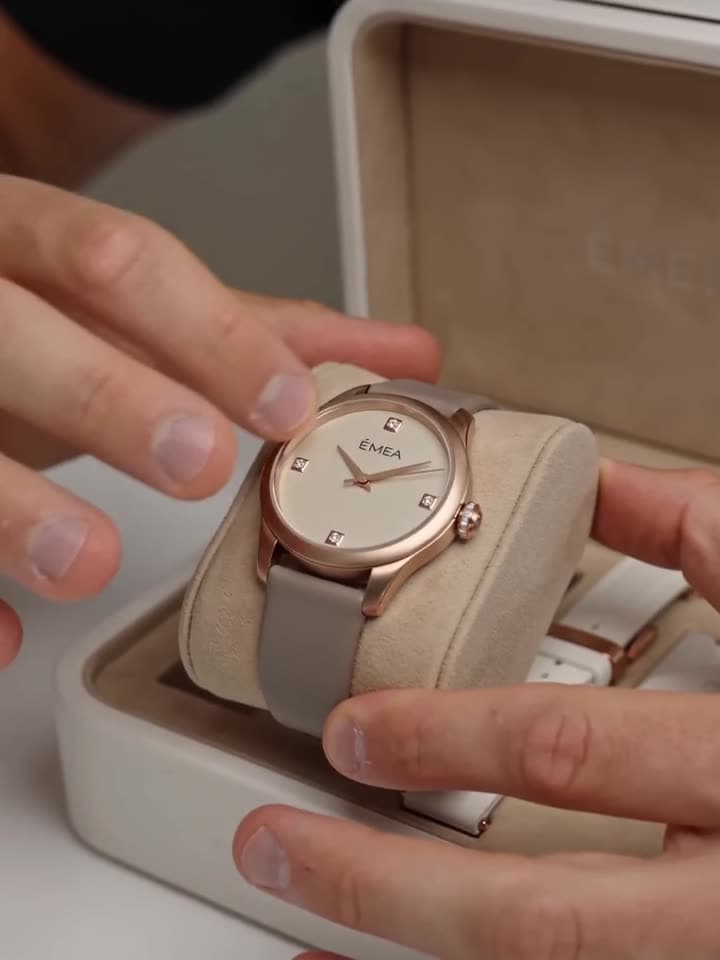
Hands only becomes the texture shot. 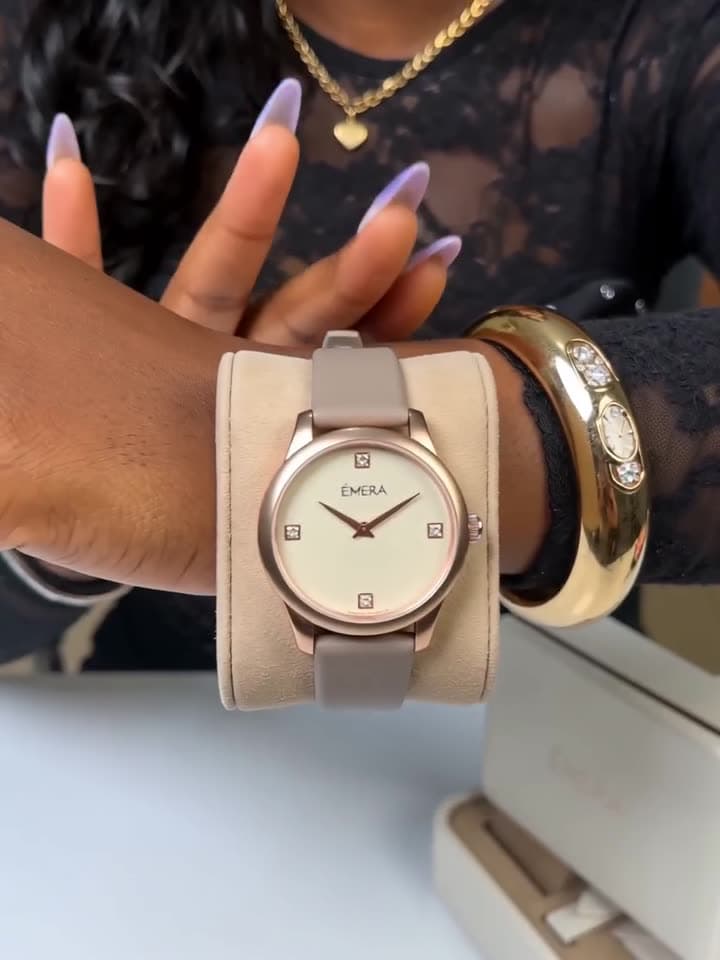
On the wrist becomes on the skin.
What it costs
The same three sizes for every sector. A sprint is a fixed price for a fixed number of finished ads.
Sprint 20
$7,500
- 20 finished ads
- Up to 15 seconds each
- First ads in 72 hours
Sprint 40
$12,000
- 40 finished ads
- Up to 30 seconds each
- First ads in 72 hours
Sprint 80
$21,750
- 80 finished ads
- Up to 60 seconds each
- First ads in 72 hours
Questions about skincare ads
Can you show the product on real skin?
Our presenters are AI-generated, so the skin on screen is generated too. For texture shots, we can also cut in close-ups you film of the real product.
Do you check our claims?
We script from a claims list you approve, and we flag anything that reads like a drug claim or a promise. Final sign-off on claims stays with you. We aren’t your regulatory advisers.
Can you make ads for a launch?
Yes. A sprint before launch gives you twenty ads ready to test on day one.
Related pages
Want to see what we’d test first?
Tell us what you sell and what you’re running now. We’ll come back with the angles we’d test first and what it costs.